How should you structure your property investments?
The right structure for your property investments depends on what you want to protect and where you're heading. Personal ownership, a company, a look-through company (LTC) and a trust each treat tax, risk and control differently, and the best choice often depends on your business and family arrangements. GRA helps new and existing property investors choose a structure that fits, set it up properly and keep it working as their portfolio grows.
One of the most common areas of advice given throughout New Zealand by solicitors and accountants is over the structuring and management of investment property.
There is also differing opinion as to the best structures to utilise when it comes to investment property. This includes the best approach regarding end of year accounting for property investors.
Over the years GRA have become very specialised in property structures and managing property investors' affairs.
This happened when founding partner, Matthew Gilligan, started the practice and simultaneously became a property investor and property developer.
As a relative newbie to property at the time, Matthew went looking for expert advice in the area. He found the level of advice on structuring property and wealth was not good in New Zealand as a whole.
Since then, many other investors have told us they've had the same experience. It's one of the reasons GRA and Matthew became so focused on providing asset planning advice to property investors. The reality
is that it is an area of core need that is not well catered for by many accounting and legal firms.
Structure and tax questions property investors often ask
- How should I own my investment property?
- How do my investment property structures fit into my business structures?
- Should I use a look-through company, an ordinary company, invest in my personal name, or use a trust?
- Should I use trusts in my structures?
- How could the associated persons rules affect me if I also develop or trade property?
- How do I control the banks, so they can't take security over all my assets?
- How do I keep growing my investing activities safely?
Example structures: Employed Buy and Hold (Excerpt from Trusts & Tax webinar, October 2022)
Example structures: Self Employed Buy and Hold (Excerpt from Trusts & Tax webinar, October 2022)
Which property investment strategies should you consider?
- Buy and hold investment
- Property trading (flips)
- Development strategies, small and large scale
- Rent by the room
- Land banking
- Cross border investing - what should I be doing offshore? How does this affect my tax structures?
Whether you are using these strategies or seeking more information about how they could work for you (and how you should structure your asset planning and tax around these activities), then we are the people you need to talk to.
How GRA can help with your property structures
- Set up and run the right ownership structures for your property
- Develop and implement a property investment strategy
- Give you the tools to calculate property cash flow before and after tax (hold and trade)
- Provide education through our events, webinar recordings and online courses such as Property School and Property Development School.
- To book a meeting to discuss these services and how GRA can help you, click below.
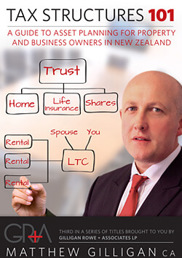
 Example structure a property investor might use
*Note: You need specialist advice to design the structure that is right for you, as everyone's circumstances are different.








 Free Resources, Tools & Downloads