Why Your Insurance Costs More - And What to Do About It
6251POSTED:
576
Views

Articles by Steve Munro - Guest Contributor.

People are confused about what they're paying for, frustrated that costs keep going up, and not sure what to do about it.
To that end, we ran a webinar in May, and here's a rundown of what we covered. If you were there on the night, hopefully this is a useful reminder. If you weren't – good news, you're getting the highlights right here.
You can watch the full recording at the bottom of this blog.
Short answer: no, it's not just you. Every insurer has been hit by this, and it's been building for a while. The main driver is a big increase in claims, especially for diagnostic tests and investigations. Post-COVID, people are a lot more switched on about their health, which is actually great. But it means more people are using their cover, and that flows through to everyone's premiums.
The other key factor is medical inflation – costs for medical services providers are increasing as well, and this naturally gets passed on in the form of increased premiums.
We ran our usual poll at the start of the webinar: where do you think the NZ public health system is heading? The result? 75% said it's getting worse. The other 25% said it'll stay the same. Literally nobody voted “it's getting better.” And that tracks with what we see every day. When people lose faith in the public system, they lean harder on private cover, which puts more pressure on the private system too.
If you've been thinking about dropping your cover because of the cost, we get it. But the question worth asking is: what's the plan if something goes wrong and you don't have cover? That's the conversation we want to help you have.
This was probably the most talked-about part of the webinar. NIB introduced a 20% co-payment on certain diagnostic tests for some of their older products. The reason makes sense from a commercial standpoint because there has been a huge spike in people claiming for diagnostic tests that don't end up leading to any treatment. But from a client perspective, it stings.
Here's how it plays out in real life: a $2,000 test with a $500 excess? You could now be up for around $900 out of pocket. Previously you'd have just paid your excess. I'm not here to bag NIB – they're trying to manage their book – but it's a good example of why the type of policy you have really matters.
The key thing to know is that this change only applies to older NIB products without guaranteed wordings. If you're on a newer NIB policy with guaranteed wordings, they can't do this to you. Which brings me to…
I'll be straight with you: this is something Samantha and I feel pretty strongly about. If your policy doesn't have guaranteed wordings, the insurer can change the terms whenever they like. They can add co-payments, remove benefits, tighten up what's covered. If your policy does have guaranteed wordings, they can't make it worse. Ever. They can only enhance it.
Think about it this way. You're taking out cover today hoping to never use it, but knowing it'll be there if something serious happens in 10, 20, 30 years. You want to know the rules aren't going to change on you halfway through.
Pharmac is the government body that decides which medicines get funded in New Zealand. A lot of the best, newest drugs, especially for cancer, aren't on the Pharmac list. That means without non-Pharmac cover in your policy, you're either paying for those drugs yourself or you go without.
Immunotherapy is a classic example. You can hit six figures pretty fast. The night before our webinar, Samantha was reading a Herald article about a young girl whose family was in a really tough spot financially because the drug she needed wasn't funded. It eventually got Pharmac approval, but for a period of time her family had to figure it out on their own. That's exactly the kind of thing this cover is designed for.
And honestly, I've never once had a client ring me after a serious claim and complain. Every single time, they're relieved. I always say to them, “don't thank me, thank yourself. You're the one who kept paying the premiums.”
Here's where I get practical. There are really two options when costs feel too high.
Option one: cancel everything. Premium gone, problem solved. But now you're on the hook. If something goes wrong, it's coming out of your pocket or you're back in the public queue. That's not me being dramatic — that's just reality.
Option two (the one we do every single day): restructure. Not cancel. Not downgrade to rubbish cover. Restructure intelligently so you're paying for what actually matters and not overpaying for stuff you don't need.
The biggest lever is your excess. Most people who've had their policy for years are sitting on a zero or low excess, often because it came through an employer scheme and they just never changed it. Bumping that up can cut your premium dramatically. We're talking potentially a third of what you're currently paying. A quick myth-bust on excesses: A lot of people think if they have a $2,000 excess, they're paying $2,000 every time they see a doctor. Nope. Most insurers charge it once per policy year. Pay it once, everything else that year is covered. It's a predictable cost you can plan for, and the premium savings usually more than offset it.
Our general philosophy: pay for the small stuff yourself (GP, dentist, glasses, physio) and let the policy handle the big unpredictable stuff like surgery, serious illness, drugs that cost hundreds of thousands of dollars. That's what insurance is actually for.
Your insurance needs at 25 are completely different to what they are at 45 or 55. When you're young and don't have many assets, your biggest asset is your future earning ability, so income protection makes a lot of sense. As you build up assets and debt, you shift more toward protecting those.
There are two types of risk worth understanding:
One more thing worth mentioning. We had a client who asked ChatGPT whether he should swap his trauma cover for TPD. ChatGPT said yeah, sure, TPD will cover cancer. He got cancer. TPD didn't pay out because he eventually returned to work, which means he didn't meet the “permanently disabled” threshold. When he went back to ChatGPT with that situation, it apologised for giving him the wrong information. Not great when you're in the middle of a cancer diagnosis.
Use AI, absolutely. It's useful. But don't make actual insurance decisions based on it. That's what we're here for.
Sam and I covered a lot more ground on the night, including claim examples and a proper walkthrough of how different policies compare. Jump on and have a watch.
Any questions, just email us directly: [email protected] - we love a chat.
The main drivers are a big increase in claims for diagnostic tests and investigations, and ongoing medical inflation in the cost of medical services, both of which insurers pass on through higher premiums.

Great support. Made very welcome as new client. Felt comfortable even when I lacked the knowledge of how to set up a business.
- AR, February 2024
Investing in residential property?
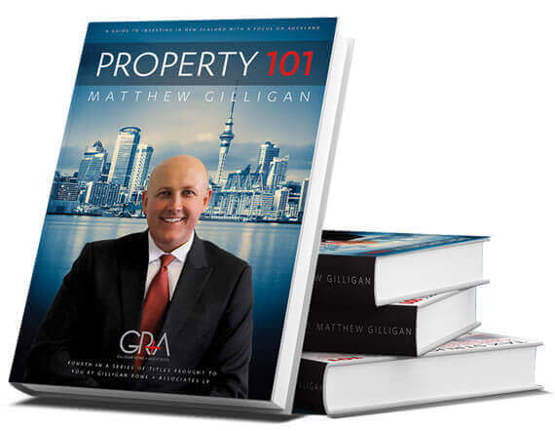
If you're investing in residential property, seeking to maximise your ability to succeed and minimise risk, then this is a 'must read'.
Matthew Gilligan provides a fresh look at residential property investment from an experienced investor’s viewpoint. Written in easy to understand language and including many case studies, Matthew explains the ins and outs of successful property investment.








 Free Resources, Tools & Downloads