Is Your Insurance Ready for a Cyclone? Don't Wait Until It's Too Late
6235POSTED:

Articles by Salesh Chand.

With a cyclone potentially bearing down on the North Island of New Zealand, now is not the time to be wondering whether your insurance cover is enough. It's time to know.
Most of us dutifully pay our insurance premiums each year, renew without a second glance, and assume we're covered. But here's the uncomfortable truth: thousands of New Zealand homeowners, landlords, and business owners are underinsured – and many won't find out until they're standing in the wreckage of a storm, filing a claim that falls well short of what it actually costs to rebuild.
We know a lot of landlords and property owners who suffered financial loss during Cyclone Gabrielle in 2023 because they didn’t have the right cover in place.
Don't let that be you.
The Underinsurance Problem Is Real
Building costs in New Zealand have surged significantly over the past few years. Labour, materials, compliance costs, and supply chain pressures have all pushed construction prices up – sometimes dramatically. From next month, the cost of building materials is expected to increase by 7-10%, and plumbing materials by 25%. This is significant. That policy you set up five or ten years ago? The sum insured may bear little resemblance to what it would actually cost to rebuild your home today. We’ve seen people with $400,000 replacement value cover, when the actual cost to rebuild would be closer to $1 million.
The rule of thumb many people use – insuring for the rateable value or the purchase price – is often dangerously wrong. What matters is the full replacement cost: the cost to demolish, clear the site, and rebuild from the ground up to current building code standards.
You as the property owner are responsible for making sure you have enough cover. The buck stops with you.
What You Should Be Checking Right Now
🏠 Your Family Home
This is your biggest asset. Check your sum insured and compare it to current building costs per square metre in your area. Don't forget to factor in your garage, deck, retaining walls, fencing, and outbuildings – these are often overlooked but expensive to replace. And the level of finish – is it basic or upmarket?
🏖️ The Bach or Holiday Home
Baches are often on the wrong side of town when a storm rolls through – exposed coastline, hillside locations, aging structures. Make sure your holiday home has its own adequate policy, and check whether storm surge or flood damage is specifically covered.
🏘️ Investment Properties
Landlords have an extra layer to think about: not just the building, but loss of rental income. If your rental is uninhabitable after a storm, how long could you cover the mortgage without rent coming in? Many policies offer rental income protection – make sure yours does.
🏢 Commercial Buildings
For business owners, underinsurance can be catastrophic. Beyond the building itself, consider: business interruption cover, contents, stock, and whether your policy covers the time it takes to get consents and rebuild – not just the construction itself.
🚗 Vehicles
Check whether your car insurance covers storm and flood damage. Not all policies do, and if you're parking on a flood-prone street or low-lying driveway, it's worth knowing before the water rises.
Questions to Ask Your Insurer or Broker
• Is my sum insured still sufficient given current build costs?
• Does my policy cover storm surge, surface flooding, and landslip?
• What is my excess for weather-related claims?
• Is there a stand-down period on any cover I might try to increase now?
• Am I covered for temporary accommodation if my home is uninhabitable?
Act Now - Before the Storm Hits
Call your insurer or insurance broker today. Pull out your policy documents. Run your home through an online rebuild cost calculator (your insurer's website often has one). If something doesn't look right, ask questions.
Note that after an event, insurers can decide that a particular property is no longer insurable (e.g. because of slipping danger or flooding). So make sure you have full replacement cover now, which would enable you to walk away if the absolute worst were to happen.
A storm doesn't give you time to sort out your paperwork. Do it now, while you still can.
Stay safe (and fingers crossed the cyclone doesn’t hit us).


Totally enjoyed all this Property School course, particularly leaning what to look out for in properties, and the amount of people we can use to help move forward. Look forward to any other courses that come about. - Brent, October 2018
Investing in residential property?
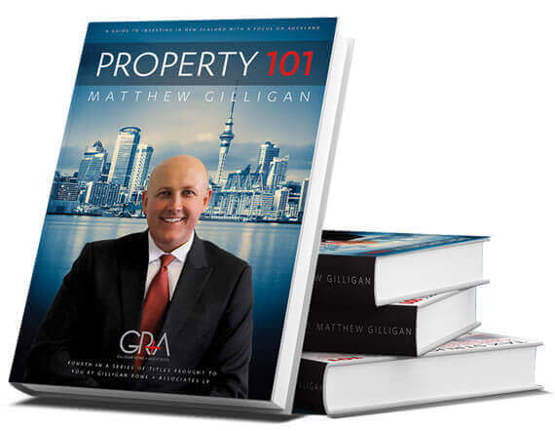
If you're investing in residential property, seeking to maximise your ability to succeed and minimise risk, then this is a 'must read'.
Matthew Gilligan provides a fresh look at residential property investment from an experienced investor’s viewpoint. Written in easy to understand language and including many case studies, Matthew explains the ins and outs of successful property investment.









 Free Resources, Tools & Downloads