What Does New Zealand's Latest Inflation Data Mean for Interest Rates in 2026?
6226POSTED:

Articles by Kris Pedersen.

New Zealand's inflation has come in hotter than expected, catching economists and mortgage holders off guard. The latest CPI data shows annual inflation at 3.1% for the year ending December 2025, which is above the Reserve Bank's target range and significantly higher than forecasted.
This unexpected jump has triggered a major shift in interest rate expectations, with some analysts now warning that rate hikes could arrive in 2026 rather than the cuts many borrowers were hoping for. If you're wondering what this means for your mortgage or whether now is the right time to fix your interest rate, here's what you need to know.
Recent expectations had shifted toward the possibility of further cash rate cuts, with some commentary suggesting the Reserve Bank could move the cash rate toward 2% at its February 18 review. However, the CPI data released on 23 January 2026 surprised to the upside, with annual inflation running at 3.1% over the 12 months to the December quarter.
This outcome places inflation above the Reserve Bank's target range of 1–3% and above its own year-end forecast of 2.7%. Of particular note was the 0.6% increase in domestic (non-tradable) inflation, which will be a key focus for policymakers.
Cost pressures remain evident across housing-related sectors. Housing and utility expenses, including electricity, continue to rise alongside construction costs, contributing to upward price pressures in a segment that has faced ongoing challenges.
Following the cash rate cut to 2.25% in November, market expectations had been for rates to remain on hold until 2027. The latest inflation data has prompted a reassessment of this outlook, with increasing concern that rate hikes could occur during 2026.
While there remains a reasonable chance that inflation moderates to around 3% or below in upcoming quarters, the Reserve Bank is expected to take a cautious approach. Commentary is increasingly pointing to the risk of further tightening unless incoming data shows a clearer disinflationary trend.
Across the ditch, the Reserve Bank of Australia has this week had to raise their cash rate with their inflation coming in at 3.8% in the year to December 2025, which is well above their target range of 2-3%.
On the negative side, this week we got updated numbers around employment figures with the unemployment rate jumping to 5.4%. This was higher than expected by economists and the highest since the September 2015 quarter.
While the Reserve Bank (and the National-led coalition considering it is an election year) will not want to see the unemployment rate go higher, the Reserve Bank's main focus point will be inflation.
In the current environment, borrowers may wish to undertake a break-even analysis before fixing mortgage rates.
Here is a simplified example, on a $100,000 loan:
• A 2-year fixed rate at 4.69% results in an interest cost of $9,380 (interest-only).
• A 5-year fixed rate at 5.69% results in an interest cost of $28,450 (interest-only).
The difference of $19,070 implies that a 3-year rate in two years' time would need to exceed approximately 6.35% for the 5-year option to be the better choice today.
While fixed rates at or above this level have been observed in recent years, they followed a period of unusually high inflation. Given ongoing uncertainty, a diversified fixing strategy across different terms may be appropriate, particularly for borrowers with higher debt exposure. Kris Pedersen Mortgages can help you with this – fill out the form here and we will be in touch.
Summary
The inflation surprise has fundamentally changed the interest rate outlook for 2026 and beyond. With the Reserve Bank now facing pressure to potentially tighten rather than ease monetary policy, mortgage holders need to carefully weigh their options. There's no one-size-fits-all answer – your best strategy depends on your loan size, risk tolerance, and financial circumstances. If you're uncertain about whether to fix now or which term suits your situation, seek a qualified mortgage broker to help you work through the numbers and make an informed decision that aligns with your goals.
You can touch base with Kris Pedersen Mortgages if you want to discuss interest rates and your personal position further – click here.


Thank you so much for insisting that the property school will be good for me, even for a hopefully a first home buyer such as myself. Turns out you are absolutely right. The school is amazing. Abundant information, & very inspiring. The presenters are amazing. - Alex
Investing in residential property?
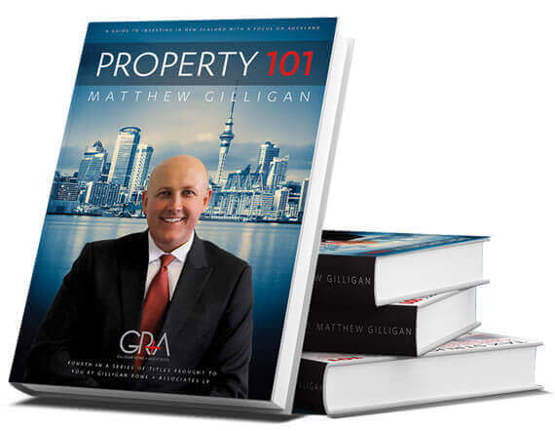
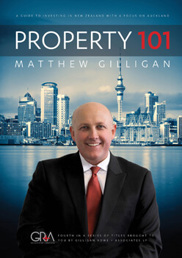
If you're investing in residential property, seeking to maximise your ability to succeed and minimise risk, then this is a 'must read'.
Matthew Gilligan provides a fresh look at residential property investment from an experienced investor’s viewpoint. Written in easy to understand language and including many case studies, Matthew explains the ins and outs of successful property investment.








 Free Resources, Tools & Downloads