Surviving and Growing in a Slow Economy
6265POSTED:
602
Views

Articles by Salesh Chand.

New Zealand's economy has been under real pressure. Rising interest rates, imported inflation, a wave of company liquidations, and squeezed household spending have combined to make life hard for business owners and property investors alike.
In our recent webinar, I sat down with my colleague Anthony Strevens to talk through what's actually happening in the market right now and, more importantly, what business owners can do about it. This article is a summary of the key points we covered.
You can watch the full recording using this link, or at the end of this article.
We opened the webinar by looking at what's driving the current squeeze.
The Reserve Bank recently increased the OCR, at the same time as inflation sat at 3.9% (much of it imported, largely tied to the Middle East conflict and its effect on oil and freight prices). That combination has hit consumer spending hard, with retail and hospitality both under pressure.
The liquidation figures reinforce this: construction alone saw 768 companies liquidated in the year to March 2026, with hospitality (concentrated in the North Island, as tourism has skewed toward the South Island) and other services also hit hard. Automotive repair is a newer casualty, partly because insurance companies are increasingly directing repair work to their own panel-beating operations.
A significant driver behind the liquidation wave is unpaid tax. Around $9.3 billion is owed by businesses, much of it stemming from COVID-era provisional tax deferrals that have since caught up with companies. IRD has become far less tolerant of these arrangements and is now moving more quickly to liquidation where debts go unpaid.
Once costs rise, they tend to stay up. Wages, insurance, rates, and rent all move in one direction. This means margins get squeezed even if revenue holds steady, and profit reduction is the natural result.
Some practical steps to protect cashflow:
Around 82% of New Zealand businesses are already using some form of AI, though for most, that just means built-in features like "summarise" or "draft this" in existing software. Genuine transformation comes from redesigning how work actually gets done, not just bolting AI onto an unchanged process.
A Deloitte/2degrees study found SMEs using AI properly earned around $400,000 more in the last financial year than comparable businesses that weren't. This gap comes from rethinking workflows such as quoting, customer enquiries, and admin, rather than from surface-level use.
Only 13% of businesses currently have an AI policy, despite near-universal usage, which creates real risk around staff pasting sensitive client data into public tools.
To start, pick one repetitive, painful process and fix it end-to-end before moving to the next.
With customers spending less, acquiring brand-new clients is genuinely difficult right now. The better return comes from:
Interestingly, one client example bucked the trend by doubling marketing spend during the downturn and gaining market share. This is a reminder that some businesses do well by leaning into visibility while competitors pull back.
A bad hire is estimated to cost 1-3 times the person's annual salary once recruitment, training, lost output, and potential mistakes are factored in. This can turn a $70,000 role into a $70,000-$210,000 problem if it goes wrong.
Four ways to improve the odds:
Banks are, in our view, a business's lifeline for cash flow, banking facilities, and overdraft support. Here's our key advice:
For businesses under real pressure, a few key points:
My recommendation, and this is not just for businesses under pressure, is to keep a simple one-page statement of position showing cash on hand, amounts owed to you, and amounts you owe. Update it regularly so you know where you stand. I update mine every few days.
Contact us at GRA if you need help. We have lots of experience in dealing with creditors, including IRD, and helping businesses find the right path forward. Getting a professional involved early on can often result in more options and a better outcome for you.
Every downturn ends, and businesses that use this period to tighten their numbers, sort their pricing, and get their systems working are the ones positioned to benefit as conditions improve.
Get professional advice around structuring, such as keeping business ownership and the family home in separate trusts, so that a guarantee given in a commercial lease, for example, can't expose the family home.
My own rule of thumb is roughly 10% of total portfolio value held in accessible cash or facilities, such as savings, an overdraft, or credit cards.
Another benchmark is to have three to six months of fixed operating costs covered. The right figure depends on the size and nature of the business, and this doesn't need to be cash sitting idle. An overdraft or credit facility can serve the same purpose.
Our view is firmly yes. Even simple, low-cost use, such as drafting emails, preparing meeting summaries, and creating first-draft marketing content, can free up meaningful time.
However, a human should review anything before it goes out, and sensitive client data should not be entered into public tools.
Contact IRD, preferably through your accountant, before you default, not after. A proactive call or a payment plan avoids automatic penalties.
PAYE and KiwiSaver should be prioritised first, as these are considered funds held on behalf of others rather than the business's own money.
If your business's trust provides a guarantee, for example on a commercial lease, and the business later defaults, that guarantee can expose whatever assets sit in that trust.
Keeping the family home in a separate trust means it isn't exposed if the business runs into trouble.


Always found Salesh approachable and a 'listener'. The backup team are fast and efficient.
- Pete B, June 2024
Investing in residential property?
If you're investing in residential property, seeking to maximise your ability to succeed and minimise risk, then this is a 'must read'.
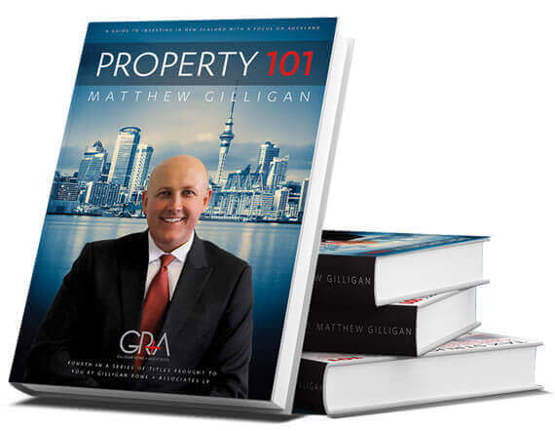
Matthew Gilligan provides a fresh look at residential property investment from an experienced investor’s viewpoint. Written in easy to understand language and including many case studies, Matthew explains the ins and outs of successful property investment.








 Free Resources, Tools & Downloads