Estate Planning and Insurance
5779POSTED:
621
Views

Articles by Steve Munro - Guest Contributor.

When we think about life insurance, our minds often go straight to a one-off lump sum payout designed to pay off the mortgage, ensuring that your family won’t be left without a roof over their heads if you or your partner were to pass away. However, life insurance can offer far more than just debt coverage.
Extended Support for Your Loved Ones
There are policies available that offer extended support beyond just paying off the family home, providing a vital safety net for your loved ones. These policies can provide additional funds to cover lost income, children’s education costs, and other essential expenses. Instead of a one-off lump sum, these policies can be structured to pay a monthly amount to cover family expenses. While it might seem logical to opt for a larger lump sum payment for these needs, that approach can come with potential risks.
The Risks of a Lump Sum Payout
Let's consider a scenario: you pass away, and your surviving spouse suddenly finds themselves with a substantial sum of money. In some circumstances, this windfall can attract unwanted attention from both close and distant family members, eager to lay claim to a portion of the newfound wealth. Maybe down the track, your spouse might also be susceptible to ill-advised investment schemes from a new partner, potentially jeopardising the financial security you intended to provide. Unfortunately, a large sum can evaporate quickly under such pressures.
Protecting Your Family with a Family Trust and Life Income Cover
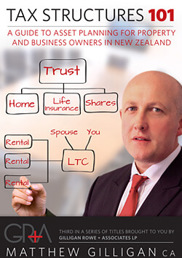
So, how do you protect against this situation? One effective strategy in New Zealand is to structure your estate for family protection through a family trust. By placing the family home within the trust, you ensure its protection and security (as long as the trust is set up correctly). The lump sum life insurance policy can then be used to clear the mortgage on the home.
Additionally, a life income policy can be set to pay a monthly sum into the family trust account. This approach ensures that the money is used for its intended purpose, providing ongoing financial support for living expenses while safeguarding against ill-conceived schemes from family members or new acquaintances, thus ensuring the financial security of your loved ones.
Life income cover is typically inflation-adjusted, ensuring that the sum insured isn't eroded over time. This means that the payments keep pace with the cost of living, maintaining their value and continuing to meet your family’s needs in the future. Additionally, with this strategy, you can incorporate a Total Permanent Disability (TPD) trigger. In the event of becoming totally and permanently disabled, the policy would pay out, providing crucial support when it’s needed most.
Conclusion
In conclusion, while a lump sum life insurance policy might seem like the simplest solution, considering a more structured approach through life income cover within a family trust can provide enhanced protection and peace of mind. This method ensures that your legacy is preserved and used wisely, safeguarding your family from potential financial pitfalls and ensuring their continued stability and security.
If you’d like to know more about life income insurance, contact Steve at Risk Direct for a no obligation discussion. We can also refer you to our preferred structing specialists, Gilligan Rowe & Associates, for trust setup and asset protection advice.
A sudden lump sum can attract unwanted attention from family members seeking a share of it, or exposure to ill-advised investment schemes from a new partner, and can be eroded quickly under this kind of pressure.

Totally enjoyed all this Property School course, particularly leaning what to look out for in properties, and the amount of people we can use to help move forward. Look forward to any other courses that come about. - Brent, October 2018

Investing in residential property?
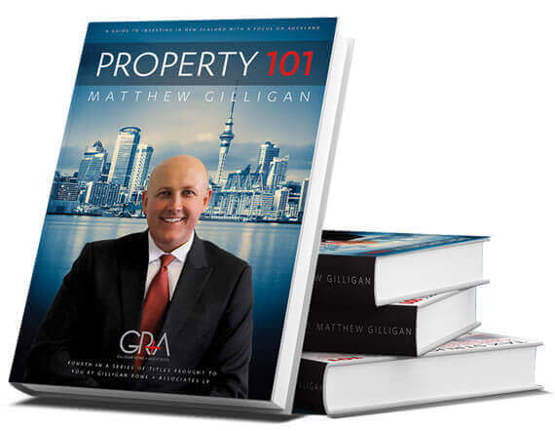
If you're investing in residential property, seeking to maximise your ability to succeed and minimise risk, then this is a 'must read'.
Matthew Gilligan provides a fresh look at residential property investment from an experienced investor’s viewpoint. Written in easy to understand language and including many case studies, Matthew explains the ins and outs of successful property investment.







 Free Resources, Tools & Downloads