Opportunity costs
2493POSTED:
1057
Views

Articles by Mark Honeybone - Guest Contributor.

"Should I sell, or should I wait till the property is worth more?" "I really wanted $20k more. Should I accept this final offer?" "I'd lose $20k on my trade if I sell for that, what should I do?" These are questions that investors, traders and homeowners are faced with at times, especially when the market is on the decline or staying fairly stagnant.
Many wait in the hope that someone will come along and pay that golden figure they've been holding out for, but sometimes they may have to wait for years for that to happen. And waiting, particularly in a soft market, can come with a significant cost.
That's why if you are a property trader, you should have an out-plan or an alternative plan. For example, if the market turns from bad to worse, or things don't go to your plan, ask yourself whether you can hold the property long term or whether it would be OK to sell at a loss.
Some of you reading this will be thinking: "Why would I ever sell at a loss?" The first answer to this is that nobody intends to sell at a loss, but bad things sometimes happen to good people and in some circumstances, cutting your losses is the most prudent thing to do (before your losses get worse). The second answer is that by selling a property at a loss, you may open up far better opportunities, which will benefit you financially in the long run.
The market can be very unpredictable and can change quickly at times. So this brings us back to the dilemma of whether to sell at a loss if that does happen.
Opportunity Cost
People sell for many reasons. Some don't really need to sell and there is no real urgency, but most aren't like that. Some of the things that motivate people to sell a property are:
● Planning to retire and need money from the property sale for that
● Needing to sell to invest in another investment type
● Selling to buy a better property (yield or location)
● Property trader or renovator selling to generate income
● Developer selling their stock to free up some capital
● Family selling a deceased estate
● Moving to a different location
Of course, there are many other reasons. But no matter the reason for selling, there is a significant point that many people forget about - the opportunity costs of not selling. In other words, holding on to a property can result in a much greater loss than selling quickly for a smaller loss.
People get too hung up about not getting the ultimate price (or even just what they consider a reasonable price) for their property. Then they end up in a falling market where they have to hold their properties for years and years to get what they want.
In the meantime, if they'd taken that $20k less or even $50k less, they could have moved on with the next project and made $100k from it. Potentially they can do that several times during the time they need to wait for that extra $20k or $50k. It often doesn't make sense! The seller can be too emotionally involved and miss the big picture.
There are many instances where cutting your losses and moving on creates better opportunities (and not just financially):
● If you are a trader or renovator, you can get on with your next project sooner, which means more overall profit
● If you're planning to retire, you can get on with the next step in your life sooner, even though your nest egg might be a bit less than you initially thought
● If you're upgrading, then you can buy the next better property, which might make more significant capital gains or cashflow than the current property you are selling
● If you're selling a deceased estate, all the family members can move on with their lives
Note if the loss is shared within a group of partners or family members, then it is divided amongst them and isn't quite as bad as one might think.
Remember, if you are waiting for another $10k or $20k, it won't take long before interest and other holding expenses add up to that amount and then fairly quickly surpass it — i.e. opportunity costs.
Summary
Over the years I have seen many property owners decide to sell for a small loss instead of stubbornly hanging on (and making a bigger loss or losing a better opportunity). In fact, it has happened to me during my own property endeavours. However, with the benefit of hindsight, I made the correct decision to sell every time.
Sometimes you just need to grit your teeth and sell for less than you were wanting to prevent further loss and/or to create new opportunities.

Hi Matthew, Just like to thank you for a Great day on Sunday at at the Property Leaders event....certainly worth the trip up from Wellington. We are always impressed with GRA's ability to help their clients.. a rarity among many businesses. Kindest regards, Brian and Janet Adams - Brian and Janet Adams, May 2018
Investing in residential property?
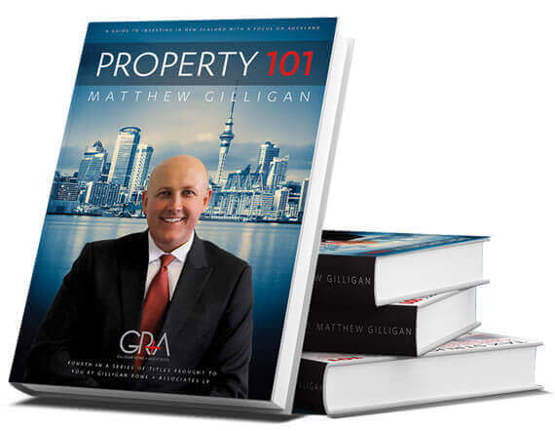
If you're investing in residential property, seeking to maximise your ability to succeed and minimise risk, then this is a 'must read'.
Matthew Gilligan provides a fresh look at residential property investment from an experienced investor’s viewpoint. Written in easy to understand language and including many case studies, Matthew explains the ins and outs of successful property investment.









 Free Resources, Tools & Downloads